


















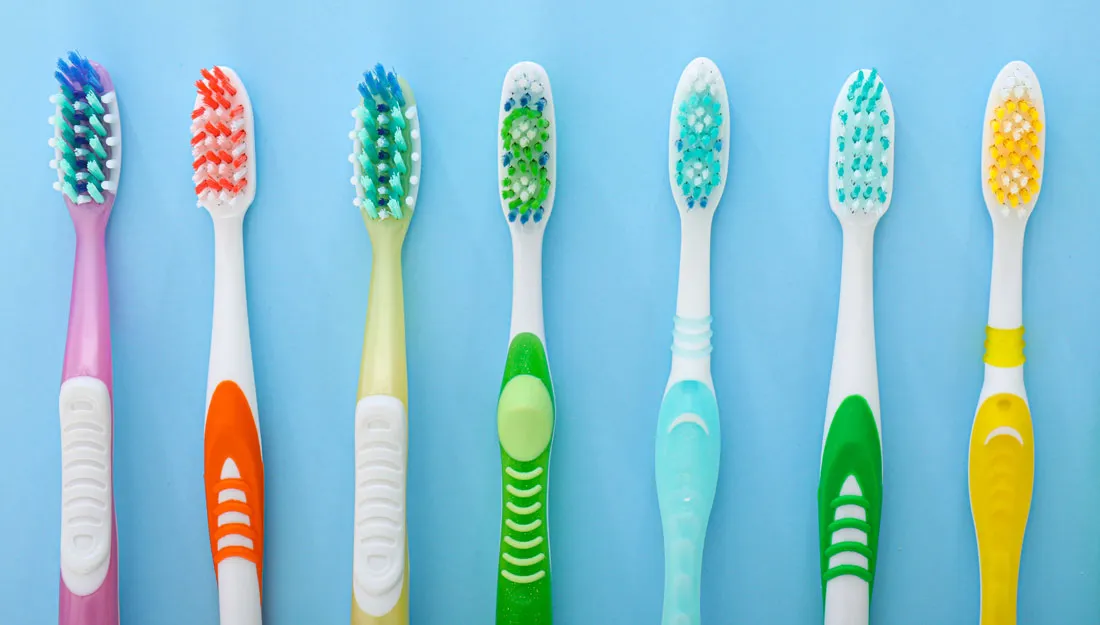
Selecting the ideal toothbrush may seem like a simple task, but it’s a decision that can have a significant impact on your oral health. The right toothbrush can help you maintain a bright and healthy smile, while the wrong one might lead to dental issues. Here’s a comprehensive guide on how to choose the right toothbrush for you.
1. Bristle Type:
The bristles of a toothbrush come in three main types: soft, medium, and hard. For most people, a soft-bristle toothbrush is recommended. They are gentle on your teeth and gums, effectively removing plaque and debris without causing damage. Medium and hard bristles can be too abrasive and might harm your tooth enamel and gums.
2: Size and Shape:
Toothbrushes vary in size and shape. Choose one that comfortably fits in your mouth, allowing you to reach all areas of your teeth. A toothbrush with a smaller head is often more maneuverable and can access those hard-to-reach places
3: Manual vs. Electric::
Both manual and electric toothbrushes can be effective, but some individuals prefer the convenience and efficiency of an electric toothbrush. Electric toothbrushes often have built-in timers to ensure you brush for the recommended two minutes and may provide superior plaque removal.
4. Bristle Design:
Look for a toothbrush with angled bristles or those with bristle patterns designed to clean between teeth and along the gumline effectively. These features can enhance the brushing experience and improve your oral hygiene.
5. ADA Seal of Approval:
To ensure the toothbrush you choose meets quality and safety standards, look for the American Dental Association (ADA) Seal of Approval. This seal indicates that the toothbrush has been rigorously tested and proven effective.
6. Replace Regularly:
Regardless of the type of toothbrush you choose, remember to replace it every three to four months or when the bristles show signs of wear. Worn-out bristles are less effective at cleaning your teeth.
7. Personal Preferences :
Ultimately, the right toothbrush is one that suits your personal preferences and encourages you to brush regularly. Some people may prefer a certain grip, handle shape, or color. Choose a toothbrush that you enjoy using.
8. Consult Your Dentist :
If you’re unsure about which toothbrush is best for your specific dental needs, consult your dentist. They can provide personalized recommendations based on your oral health.
In conclusion, choosing the right toothbrush is crucial for maintaining good oral hygiene. Consider factors like bristle type, size, manual vs. electric, bristle design, and the ADA Seal of Approval when making your decision. Your toothbrush plays a pivotal role in keeping your smile healthy and bright.