



















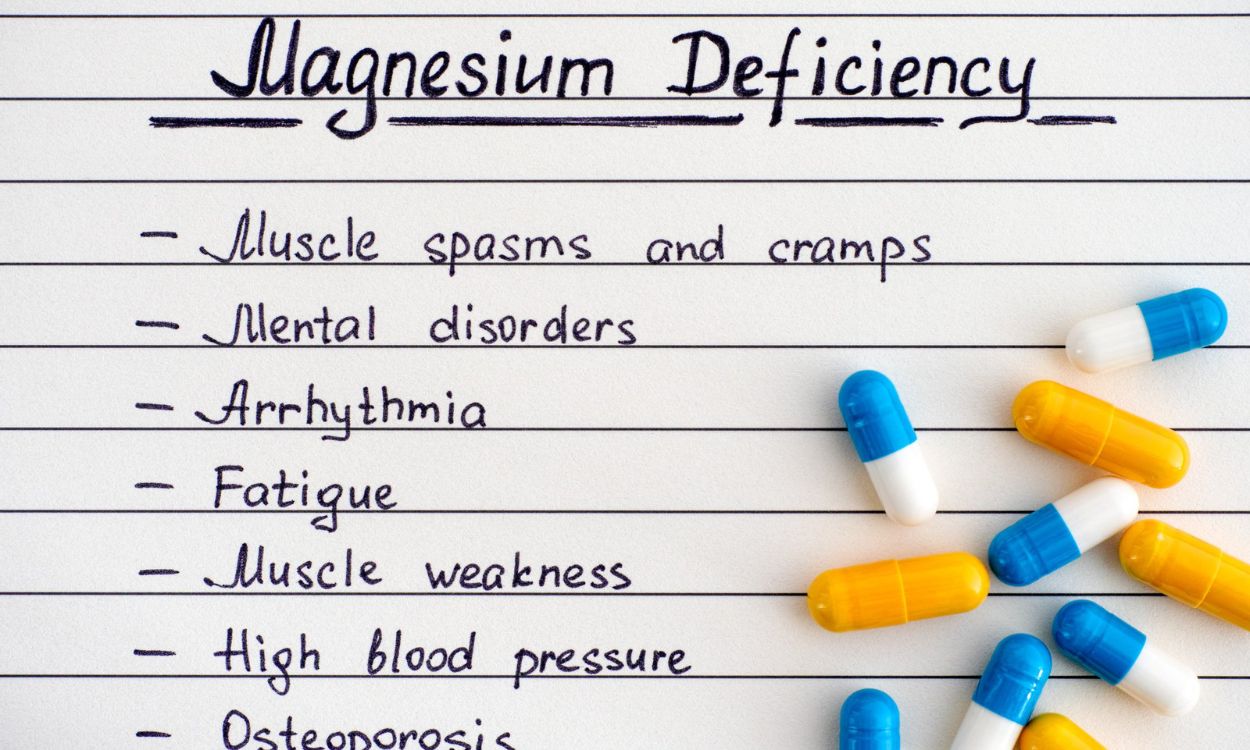
Magnesium deficiency can manifest in various ways, and it’s important to be aware of its signs and symptoms. Here are some common indicators:
1. Muscle Cramps and Spasms: Frequent muscle cramps, twitches, or spasms can be a sign of magnesium deficiency, as magnesium plays a crucial role in muscle function.
2. Fatigue and Weakness: Feeling consistently tired and weak, even after sufficient rest, might be linked to inadequate magnesium levels.
3. Irregular Heartbeat: Magnesium is essential for regulating heart rhythm, so palpitations or irregular heartbeats can indicate a deficiency.
4. Nausea and Vomiting: Digestive issues like nausea and vomiting can occur when magnesium levels are low.
5. Loss of Appetite: A diminished desire to eat or unexplained weight loss may be associated with magnesium deficiency.
6. Tingling or Numbness: Pins and needles sensations or numbness in the body, especially in the extremities, can be a sign of deficiency.

7. Personality Changes: Some individuals may experience mood swings, anxiety, or depression due to magnesium deficiency.
8. High Blood Pressure: Magnesium helps regulate blood pressure, so hypertension might be linked to low magnesium levels.
9. Osteoporosis: Inadequate magnesium can affect bone health, potentially leading to conditions like osteoporosis.
10. Insomnia: Difficulty falling asleep or staying asleep can be associated with magnesium deficiency, as it plays a role in relaxation and sleep regulation.
If you suspect you have a magnesium deficiency, it’s crucial to consult a healthcare professional for proper diagnosis and treatment. Dietary changes or supplements may be recommended to address the deficiency and alleviate associated symptoms.