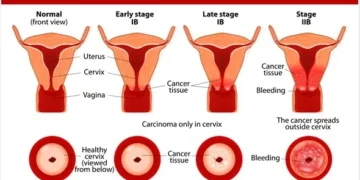




















A recent report from the Canadian Cancer Society has asserted a disturbing trend-cervical cancer cases in Canada are rising at an unseen rate in around four decades. This increase is happening despite the availability of a vaccine against human papillomavirus (HPV), the major cause of cervical cancer. The report reveals that hundreds of Canadian women keep dying from the disease each year.
Increasing the rate of HPV vaccination among young adults between the age of 18 and 26 years is important in reversing the trend in cervical cancer cases.
The report highlights the unique challenges of promoting HPV vaccination within this age group and the importance of understanding these factors to boost vaccination rates. Also, it highlights the universal vaccine coverage rate, the recommended HPV vaccine series, and the urgent need for more work in the area of HPV promotion among young adults.
Cervical cancer is often triggered by HPV, particularly strains 16 and 18, which account for almost 50% of high-grade cervical pre-cancers. Other risk factors are smoking, a weak immune system, the use of birth control pills, and early sexual activity. Diagnosis normally involves cervical screening followed by a biopsy. The HPV vaccine protects against these high-risk strains, potentially preventing up to 90% of cervical cancers. Treatment involves a combination of surgery, chemotherapy, and radiation therapy.