


















World Bank has hinted that Nigeria could save up to 3.9 trillion naira ($5.10 billion) this year alone after its foreign exchange market reforms and the removal of a petrol subsidy.
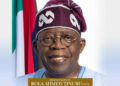
Nigeria’s President, Bola Tinubu, who is carrying out the country’s biggest reforms in decades to address issues including a high debt burden, removed the famous but expensive petrol subsidy when he assumed office last month.
Nigeria’s apex bank has unified the country’s exchange rates after Tinubu’s criticism of a currency regime that had affected Africa’s biggest economy for years.

World Bank Lead Economist for Nigeria, Alex Sienaert, disclosed during a presentation in the capital Abuja that the savings did not amount to a fiscal windfall but put Nigeria on an upward trajectory.
He said: “They stop Nigeria from going over what you might call the fiscal cliff. They really set the stage for a new and an upward trajectory in terms of Nigeria’s development path.”
The World Bank and International Monetary Fund had called on Nigeria for many years to remove the petrol subsidy, which gulped $10 billion last year, and free its exchange rate.
To deepen foreign exchange reforms, Siernaet advised Nigeria to remove forex restrictions on 43 items which include sugar and flour, that the Central Bank says cannot be funded from official dollar sales.
Siernaet said four million more Nigerians may have been plunged into poverty between January and May due to inflation, which reached 22.41% in May.
World Bank said after two decades of uneven growth, Nigeria has the second-largest population of poor people in the world and is one of the least developed countries of the world.
SUPPORT NIGERIAN CANADIAN NEWSPAPER CANADA
If you like our work and want to keep enjoying what we offer, kindly support us by donating to the Nigerian Canadian News by clicking here
Share your thoughts in the comments section below
Do you want to share any news or information with us? If yes, contact the publisher at publisher@test1.nascitest.club