



















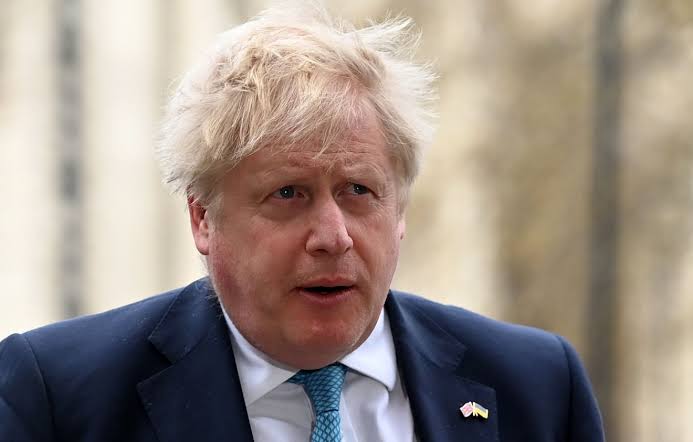
The Prime Minister of the United Kingdom, Boris Johnson, has made it known he does not feel transgender women should participate in female sporting events – a view he admitted may be “controversial”.
Recently, the issue of transgender athletes has focused on Emily Bridges, a transgender cyclist. Bridges was recently declared ineligible to participate in her first elite women’s race by the world cycling ruling body.

The Prime Minister was speaking on many issues, including the approach of the government to the ban on conversion therapy.
He said: “I don’t think biological males should be competing in female sporting events. Maybe that’s a controversial thing to say, but it just seems to me to be sensible.
“I also happen to think that women should have spaces – whether it’s in hospitals, prison or changing rooms – which are dedicated to women. That’s as far as my thinking has developed on this issue.
“If that puts me in conflict with some others, then we have got to work it all out. It doesn’t mean I’m not immensely sympathetic to people who want to change gender, to transition and it’s vital we give people the maximum love and support in making those decisions.

“These are complex issues and they can’t be solved with one swift, easy piece of legislation. It takes a lot of thought to get this right.”
While responding to Johnson’s comments, LGBTQ+ charity Stonewall said: “Trans people deserve the same opportunities as everyone else to enjoy the benefits of sport and blanket exclusions on trans people participating are fundamentally unfair.
“This is a complex and fast-evolving issue and much of the science doesn’t yet exist in this area.
“Inclusion policies need to be considered on a sport by sport basis and it’s vital to avoid using inflammatory rhetoric, which often causes trans people to stop playing the sports they love.”
Stonewall said that though elite sport “often dominates these discussions”, transgender people are also “underrepresented in community sport” where they “often feel excluded”.
It added: “Sport has the unique power to bring us together and it’s important trans people have the opportunity to enjoy the benefits of sport without facing exclusion or abuse.”