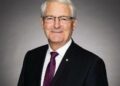



















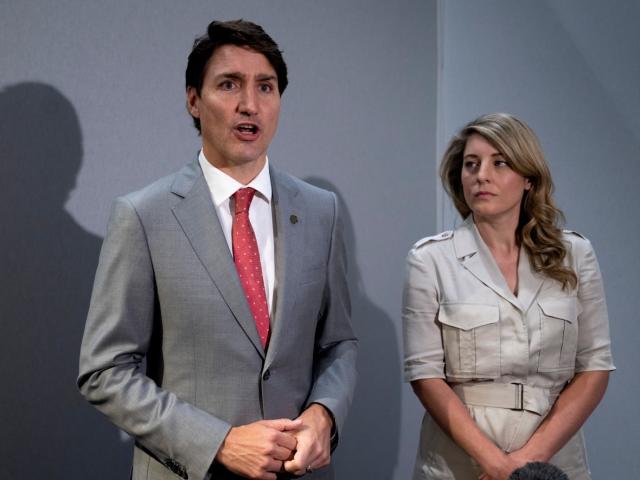
The Prime Minister of Canada, Justin Trudeau, and Foreign Affairs Minister, Mélanie Joly, have publicly rejected the allegations put forward by South Africa, saying that Israel is carrying out genocide against Palestinians in Gaza. This statement came in the wake of an ongoing case presented at the International Court of Justice (ICJ) by South Africa, which has described the situation as ‘fact-based and compelling’. The official position of Canada on this issue shows a clear deviation from South Africa’s stance at the ICJ, which reflects Canada’s support for Israel.
The government of Canada has taken a firm stand on the issue by distancing itself from South Africa’s view. Trudeau and Joly have raised deep concern about the humanitarian crisis in Gaza and have backed international efforts to secure a sustainable ceasefire. Meanwhile, their dismissal of the genocide accusations shows a clear alignment with Israel.

The development becomes a major contribution to the complex deliberations surrounding the Israeli-Palestinian conflict . The reactions to the Prime Minister’s statement have been mixed, with some political parties and advocacy organizations expressing disappointment, while others have praised Canada’s stance.
Canada’s stance on this matter could affect its international relations, especially with countries that support South Africa’s view. The emphasis of Canada on the importance of international law in the Middle East conflict shows its commitment to the ICJ, even though it does not support the genocide claim by South Africa.
The statements by Trudeau and Joly show that the legal limit for proving claims of genocide is high and that South Africa might not have met the bar for establishing genocide. This position could trigger a range of responses from the international community, influencing future diplomatic ties.