
















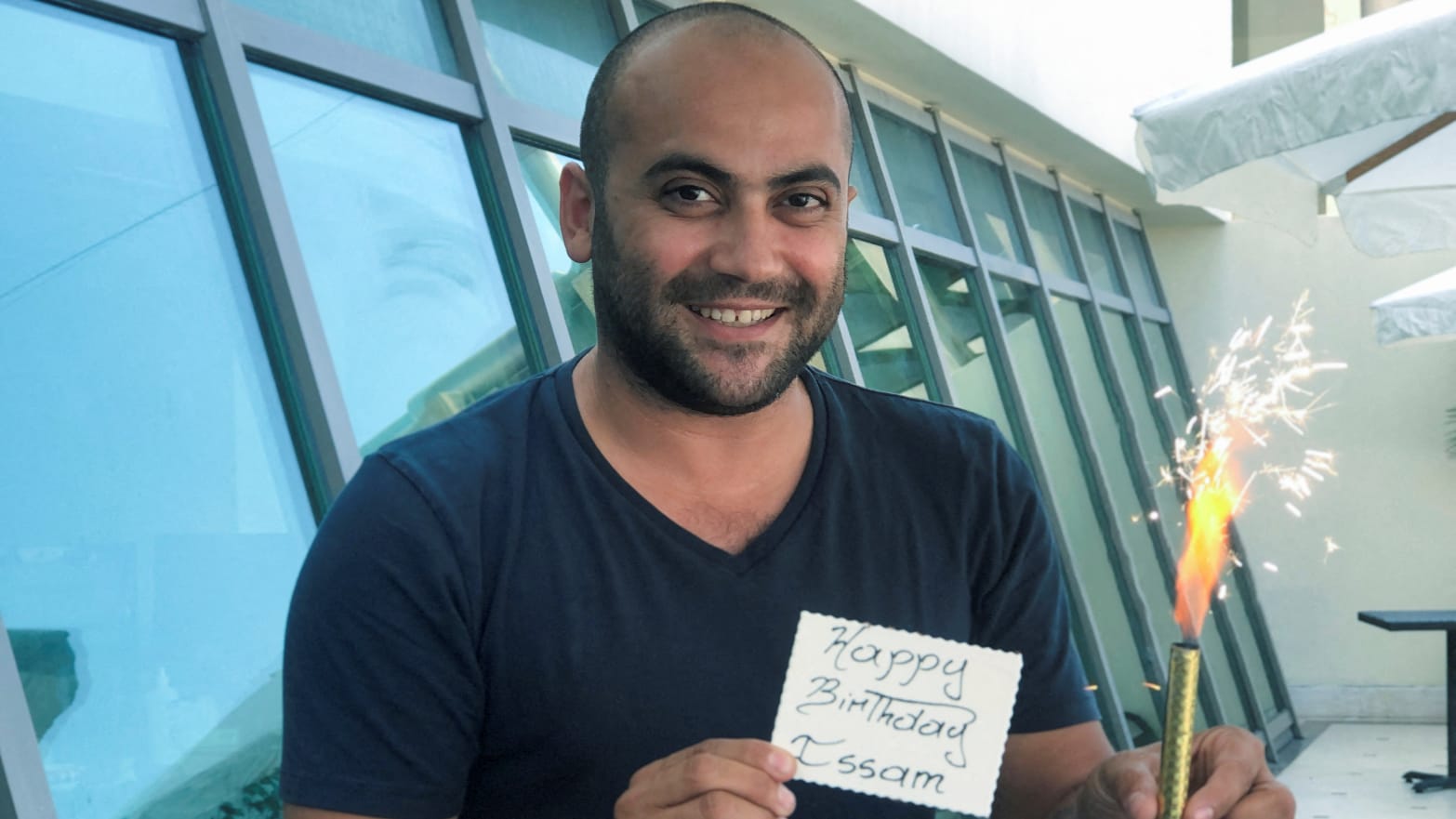
An Israeli shell that landed among a group of international journalists covering clashes on the border in south Lebanon killed Reuters’ videographer and left six other journalists injured.
An Associated Press photographer who was at the scene saw the body of Reuters videographer, Issam Abdallah, and some of the six who were wounded being taken to hospitals in ambulances.
While reacting to the death, Reuters news agency said: “We are deeply saddened to tell you that our videographer, Issam Abdallah, has been killed.”
The agency disclosed that Abdallah was part of a Reuters crew in southern Lebanon that was providing a live signal.
Reuters said: “We are urgently seeking more information, working with authorities in the region and supporting Issam’s family and colleagues. Our deepest condolences go out to those affected, and our thoughts are with their families at this terrible time.”
Reuters disclosed further that two more of its journalists, Thaer Al-Sudani and Maher Nazeh, were wounded in the shelling in the border area.
Al-Jazeera TV said two of its employees, Elie Brakhya and reporter Carmen Joukhadar, were also among the wounded journalists.
In the same vein, France’s international news agency, Agence France-Presse, said two of its journalists were also among the wounded, but the agency did not state their names.
Lebanese Prime Minister Najib Mikati released a statement condemning Israel’s shelling that struck the journalists “during its aggression on southern Lebanon.”
Also, United Nations spokesperson Stéphane Dujarric described the deaths as “another example of the daily dangers journalists face in covering conflict throughout the world” and said the UN hopes for an investigation into what happened.
“Journalists need to be protected and allowed to do their work,” he said during a briefing at UN headquarters.
The shelling happened during an exchange of fire along the Lebanon-Israel border between Israeli troops and members of Lebanon’s militant Hezbollah group.
While talking to reporters, Israel’s United Nations ambassador, Gilad Erdan, said the government will investigate what happened.
He said: “We always try to mitigate and avoid civilian casualties. Obviously, we would never want to hit or kill or shoot any journalist that is doing its job.
“But you know, we’re in a state of war, things might happen. We regret them. We feel sorry. And we will investigate it. Right now, it’s too early to call what happened there.”