


















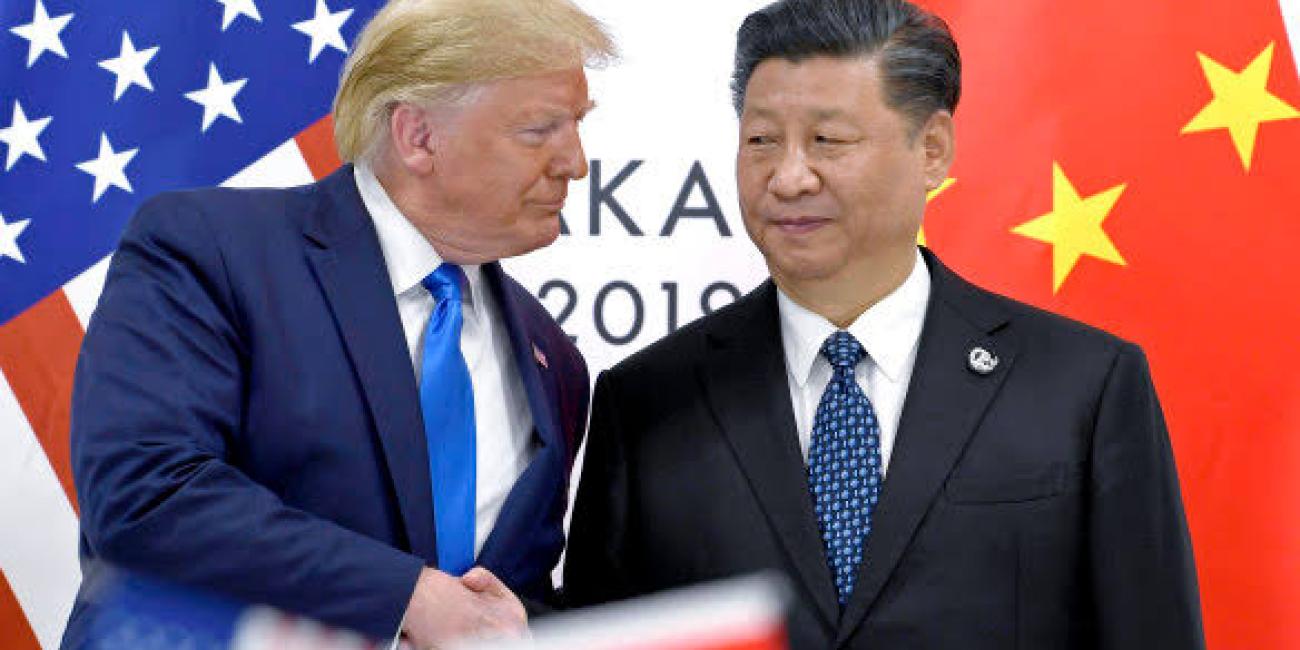
Newly released documents by House Democrats indicate that former U.S. President Donald Trump’s businesses received a minimum of $7.8 million from 20 foreign governments while he was in office, with the majority coming from China.
The 156-page report, titled “White House For Sale,” produced by Democrats on the House Oversight Committee, presents concrete evidence of foreign transactions involving Trump businesses, a practice that some House Republicans have sought to prove in the case of President Joe Biden, albeit without success.
The detailed transactions outlined in the report highlight payments to Trump-owned properties, including the Trump International Hotel in Washington, D.C.; Trump International Hotel in Las Vegas; Trump Tower on Fifth Avenue in New York; and Trump World Tower at 845 United Nations Plaza in New York.
The report suggests that Trump’s engagement in such financial dealings violates constitutional provisions that prohibit federal officeholders from accepting money, payments, or gifts from foreign governments without congressional consent — consent that Trump never sought.
China emerged as the largest contributor, making payments totaling $5.5 million to Trump’s business interests. These payments included substantial amounts from China’s Embassy in the United States, the Industrial and Commercial Bank of China, and the Hainan Airlines Holding Company. Saudi Arabia ranked second, spending over $615,000 at the Trump World Tower and Trump International Hotel.
Eric Trump, the former president’s son, has consistently maintained that foreign interests did not influence his father’s presidency, emphasizing that any profits earned from hotel stays were returned to the federal government through voluntary annual payments to the Treasury Department. However, Democrats argue that such practices fall short of constitutional requirements for a president.
In response to the report, Eric Trump highlighted that the Chinese bank mentioned had signed a lease at Trump Tower before his father took office, and he refuted claims that the former president allowed personal business incentives to drive official actions.
House Republicans also dismissed the revelations, asserting that there was no wrongdoing in Trump receiving revenue from foreign governments while in office, while emphasizing allegations of corruption against the Biden family’s business dealings.
Representative Jamie Raskin of Maryland, the top Democrat on the Oversight Committee, expressed concern that Trump’s prioritization of personal financial interests over the American public interest violated constitutional commands and set a troubling precedent.