



















In a recent letter, Manitoba, Ontario, Alberta, and Saskatchewan Ministers have called on Sean Fraser, Canada’s minister of immigration, refugees and citizenship, to give their provinces allowance to choose more immigrants “with the skills they need most.”
The letter stated: “We need the ability to respond to the rapidly evolving needs of specific areas and communities, with a flexible system that we can adapt to changing economic and humanitarian needs.”
The ministers said ahead of a meeting with Fraser and their fellow immigration ministers in Saint John, N.B., that Canada must do more to get and retain workers— especially in skilled trades. According to them, provinces should be permitted to hire workers and offer them good local jobs.

The letter says provinces understand their local economies best, and can select newcomers who have “the greatest chance of success” to Canada
“We are facing a global race for talent as people all around the world search for a better place to build a life for themselves and their families.”
According to the ministry, out of 198,085 people that immigrated to Ontario in 2021, the province was allowed to choose 9,000 (around 4.5 per cent) through the Ontario Immigrant Nominee Program, a program that “recognizes and nominates people for permanent residence who have the skills and experience the Ontario economy needs.”
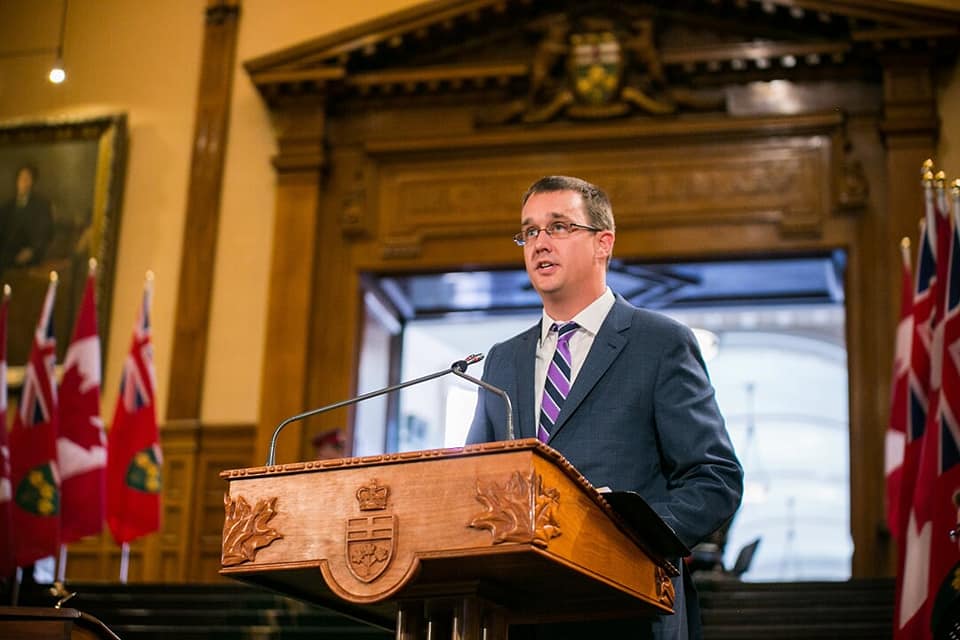
While talking to CBC, Ontario’s minister of labour, immigration, training and skills development, Monte McNaughton said the province wanted the federal government to double its allocation to choose at least 18,000 skilled immigrants out of the 211,000 coming to Ontario in 2022.
The allocation was increased by 700.
According to Ontario labour ministry’s data, most of the four provinces with the biggest immigration numbers in 2021 had low percentages of immigrants they were permitted to choose. Alberta was allowed to select 15 percent of its 39,950 immigrants while British Columbia was allocated 9.3 percent of its 69,270 newcomers.

Quebec was the only province with an exception, which selected 55.8 per cent of its 50,170 immigrants.
McNaughton revealed other provincial ministers “are in the same boat” as far as labour shortages are concerned, but that the biggest challenge is in Ontario, where 378,000 jobs are left unfilled. He said the focus of the province is on two sectors: health care and skilled trades.
He said: “So it makes more sense for the provinces (in particular Ontario) to have a say in the skilled immigrants that we need to fill these jobs.”
SUPPORT NIGERIAN CANADIAN NEWS
If you like our work and want to keep enjoying what we offer, kindly support us by donating to the Nigerian Canadian News through the button below.
Share your thoughts in the comments section below