

In a historic setback that has gotten tongues wagging across the nation, Nigeria’s external reserves have declined by about $2.8 billion in the first half of 2023, reaching around $34.1 billion in June, due to weak crude oil output and a lack of foreign investor participation in the capital market.
According to reports, the decline in reserves continued since the new administration came into power in May 2023, despite the unification of the naira and the introduction of a managed exchange rate float.
Experts believe that the decrease in reserves is due to costly projects, such as election expenses and currency redesign, as well as the uncertainty surrounding election years and recent policy changes.
Records have it that the external reserves opened the year at about $37 billion but have now dropped to about $34.1 billion as of June 2023. Nigeria’s external reserve is an important barometer for valuing the country’s currency. It is also used to estimate how many months of imports it can finance.
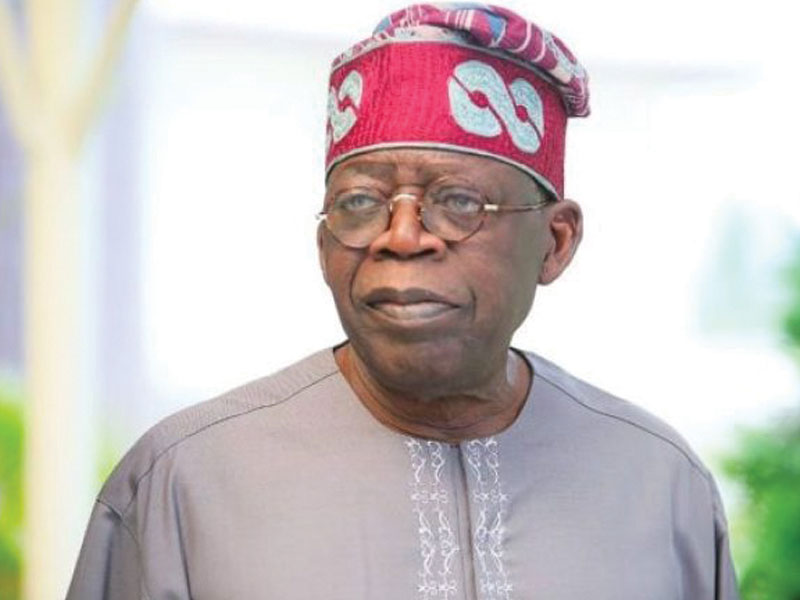
It was also reported that the external reserve has also dropped by almost one billion dollars since the Tinubu administration came into power on May 29th, 2023. The external reserve has gone from $35 billion as of May 30th to $34.1 billion. This is despite the unification of the naira and the introduction of a managed exchange rate float.
More so, reports said the country’s external reserves have been on a downward trajectory since this year due to a lack of foreign investor inflows, lower crude oil outputs, and a fragmented forex market. The external reserve is typically funded from a combination of the sale of crude oil proceeds, external debts, and foreign investor inflows.
Harping on the development, the Central Bank of Nigeria has also blamed the decline in reserves lack of external debt financing. Experts said Nigeria is unlikely to tap the foreign debt market this year due to higher global interest rates, especially for emerging market Eurobonds.
“The MPC observed that the economy continued to be weighed down by high import bills, leading to pressure on foreign exchange and resultant increase in the general price level. The Committee noted that the economy needs to build up the stock of foreign reserves to act as buffers against shocks.
“In addition, the current trend in price development would continue to be monitored by the Bank with greater collaboration with the fiscal authority, to address the drivers of inflation.”
The bank also blamed the drop on transactions in the forex market.
SUPPORT NIGERIAN CANADIAN NEWSPAPER CANADA
If you like our work and want to keep enjoying what we offer, kindly support us by donating to the Nigerian Canadian News by clicking here
Share your thoughts in the comments section below
Do you want to share any news or information with us? If yes, contact the publisher at publisher@test1.nascitest.club


