



















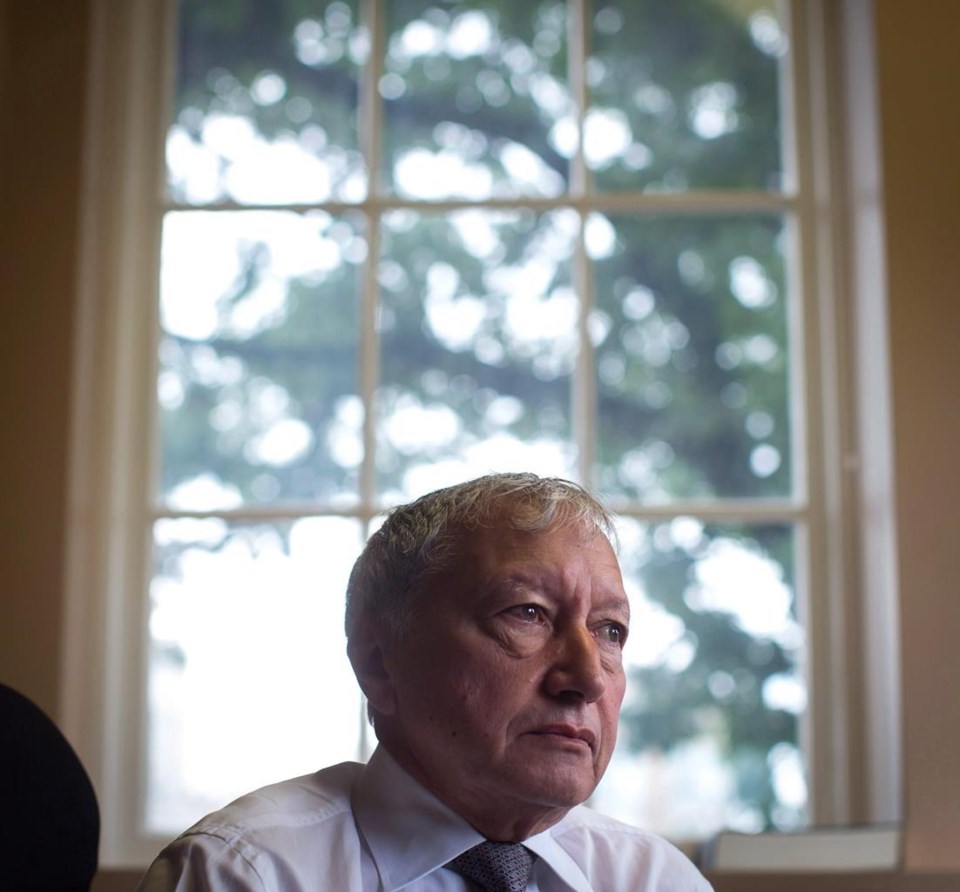
The Chief Executive Officer of Cambie Surgery Centre, Brian Day, the doctor who led a legal challenge over a patient’s right to pay for private medical care has averred that the decision by Canada’s top court not to hear an appeal means long wait times have been “forcibly embedded” into the medicare system.
It is on record that Dr. Brian, along with a handful of patients, has spent more than a decade in court challenging the British Columbia Medicare Protection Act, which bans extra-billing and private insurance for medically necessary procedures.
In their summation, they argued long wait times in B.C.’s publicly funded system amounted to a breach of the patients’ rights to life, liberty, and security of the person under the Charter of Rights and Freedoms.
It was gathered that others applauded the decision, with an advocacy group involved in the case saying it relieved fundamental principles about access to health care regardless of someone’s ability to pay had been protected.
In a recent ruling, the Supreme Court of B.C. dismissed the constitutional challenge three years ago and the provincial Court of Appeal upheld the ruling last year. The Supreme Court of Canada said it would not hear an appeal.
In a statement, Dr. Brian stated that Canada needed to bring its system in line with other better-performing publicly funded systems in the world with complementary health care available through legal private insurance.
He said “As a result of the Supreme Court’s failure to even consider the rights of Canadians suffering on wait lists, Canadians, such as the patient plaintiffs in our case who suffered such outcomes as permanent paralysis and death as they waited for care and justice, are being denied access to both”.
“It’s now clear to all that medically unacceptable wait times have become forcibly embedded and represent government policy in the publicly funded medicare system. The courts have endorsed this approach.”
Reacting to the development, executive director of Canadian Doctors for Medicare, Katie Arnup said she was relieved the court fights had come to an end.
According to her, what Day and others sought was “striking at the heart of the foundations of publicly funded health care in Canada”, particularly regarding access to care based on need, and not the ability to pay.
“From the very beginning, it was important to us to defend that principle. And I think that … at the end of the day that’s what’s won out.”
In the original B.C. Supreme Court ruling, Justice John Steeves said while long waits for care might increase the risk to some patients, the provisions were justified by the overall objective of supporting a system where access to health care is based on need.
While stating that this was not the end of the fight to improve the health-care system, Arnup said “It just means that this one legal battle is over and we can get back to focusing on innovations within the public system that will improve access to care for everyone”.
In a statement, B.C. Health Minister Adrian Dix said the decision by the Supreme Court of Canada puts an end to the matter.
He said “I just want to say it is an exceptional victory for public health care in B.C., for the people of B.C., for the Medicare Protection Act, for our public health-care system”.
“It supports public health care, and has us do what we need to do, which to provide continually better service under the public health-care system. And that’s exactly what we’re going to do.”
It is germane to state that the Supreme Court of Canada does not release reasons why it chooses not to hear cases. In 2022, only seven per cent of cases that applied for an appeal were granted one.