



















The Canadian government has said it would make it easier for Hong Kong students to study and work in Canada in reaction to new security rules imposed by China on the former British colony.
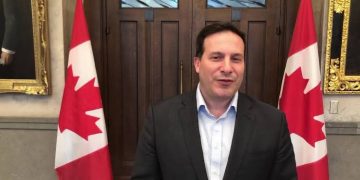
While talking to Reuters about this development and the recent move by China to disqualify elected legislators in Hong Kong, Canada’s Immigration Minister, Marco Mendicino said: “Today’s announcement is set against the backdrop of a number of developments which have been gravely concerning to Canada.”
The Minister said any resident of Hong Kong who has graduated from university in the past three years can apply for up to three years employment in Canada and he/she will be offered a easier way to obtain permanent residency.
Also, the Minister said” Canada will also accelerate the processes for “their spouses, their partners and their children to come and build the next chapter in their life.”
The autonomy of Hong Kong was guaranteed under the “one country, two systems” agreement that was enshrined in the 1984 Sino-British Joint Declaration. Britain recently said this treaty had been broken by China when it disqualified elected legislators this week.
According to Mendicino, the violations of security of China or any law that Canada does not have on its books would be ignored when it evaluates requests for asylum, permanent residency or other permits from Hong Kong and any other place.
The envoy of China to Canada, Cong Peiwu, gave warning to Canada last month against issuing asylum to pro-democracy protesters because according to him, they were “violent criminals” who threatened the “health and safety” of the 300,000 Canadian passport holders living in Hong Kong.
While reacting to the development, Vancouver-based immigration lawyer, Richard Kurland said “Things are going to get worse, not better” in Hong Kong. He added that parents in Hong Kong should consider sending their children to study in Canada.
After the initial annoucement by China initially that it would put new national security legislation in place for Hong Kong in July, Canada’s Prime Minister, Justin Trudeau, suspended an extradition treaty with the Beijing and prohibited the export of sensitive military items.
Canada’s ties with China ebbed after Huawei Chief Financial Officer Meng Wanzhou, a citizen of China, was arrested in Vancouver in 2018 on a bank fraud warrant that was issued by US authorities.