



















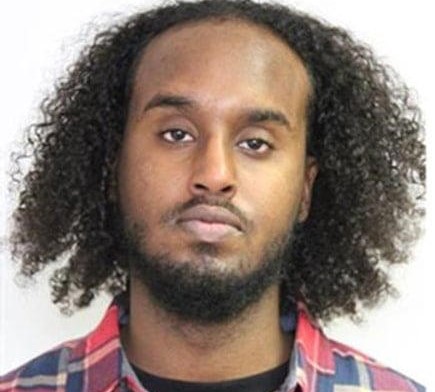
In an astonishing case of mistaken identity on February 16 in Ottawa’s east end, Kane Niyondagara, a 27-year-old Black man, was unjustly targeted by police officers, leading to a shocking and brutal confrontation.
Niyondagara was strolling home from Starbucks when he was suddenly confronted by officers, who wrongfully believed he was a suspect in a murder case. Despite Niyondagara’s cooperation, he was tased, pinned down, and hit in the face before officers realized their error. The incident, which was captured by a bystander, has triggered discussions on racial profiling and police conduct.
The ordeal of Niyondagara started with a routine walk home, which escalated fast into a nightmare scenario. After police officers’ commands with confusion and fear, he hesitated to lie on the hard concrete was met with aggression. The situation became worse when he tried to flee, resulting in him being tased and physically assaulted by the officers. The mistaken identity was in connection to a murder suspect named Gibriil, which highlights a disturbing case of racial profiling. This incident adds to a concerning trend in Ottawa, where Black people encounter police use of force disproportionately.

Public reaction to Niyondagara’s story has been outrageous and demand for accountability. Eyewitness accounts and video evidence from the scene reveal a painful use of force against an individual who posed no threat.
The reticence of Ottawa Police Service to comment further on the incident has only ignited calls for transparency and justice. Niyondagara’s case happened after another high-profile mistake by Toronto police which underlines systemic issues within law enforcement practices towards Blacks.
This incident is a reminder of the urgent need for systemic change within law enforcement agencies. The excessive targeting of Black people and the grave consequences of mistaken identity cases calls for a thorough review of police training, accountability mechanisms, and elimination of racial profiling.
As the community demands justice for Niyondagara, the broader implications for trust in law enforcement and the fight for racial equality in Canada loom large. This case demands individual accountability and a deeper, systemic transformation to prevent injustices like this in the future.