

Ontario has taken a decisive step towards eradicating puppy mills by introducing groundbreaking legislation, marking the initiation of a broader series of animal protection measures anticipated in the coming months.
The Preventing Unethical Puppy Sales Act, or PUPS Act, unveiled recently, seeks to outlaw puppy mills and establish comprehensive record-keeping for dogs, ensuring the traceability of a canine’s history. The proposed law is aimed at addressing concerns related to unethical dog breeders, with a focus on rectifying issues brought to light by stakeholders.
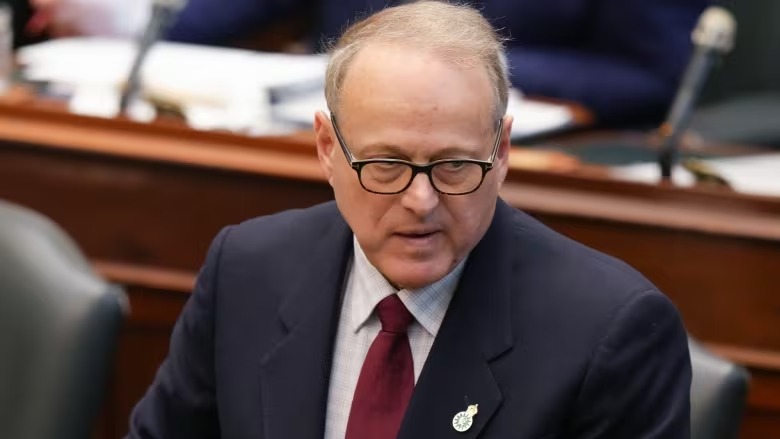
Solicitor General Michael Kerzner emphasized the significance of the proposed legislation in targeting “bad actors” within the industry. The bill, modifying the Provincial Animal Welfare Services Act (PAWS Act), sets a precedent by introducing minimum penalties for individuals operating puppy mills. Those found in violation could face a minimum penalty of $10,000, with a steeper $25,000 penalty for the death of a dog in a puppy mill.
In addition to penalizing puppy mills, the legislation aims to regulate dog sales in the future. The proposed laws include provisions to make inbreeding, breeding a female dog more than three times in a two-year period, and breeding a female dog younger than a year old illegal. It would also prohibit the separation of puppies from their mothers before eight weeks of age and keeping breeding dogs in unsanitary conditions.
To ensure the effectiveness of the PUPS Act, Ontario plans to increase the number of Animal Welfare Services inspectors stationed throughout the province, addressing concerns about enforcement raised by advocates such as Donna Power, co-founder of Humane Initiative.
While the legislation has received initial approval, some critics, like Camille Labchuk, executive director of advocacy group Animal Justice, argue that without a dog licensing regime, effective enforcement remains a challenge. Labchuk suggests that a licensing system would enable the government to inspect and regulate approved facilities while investigating unapproved ones. Ontario is also contemplating the prohibition of “medically unnecessary” procedures for dogs and cats, including declawing, debarking, tail docking, and ear cropping. These proposals are set to undergo consultations in the coming year, signaling a broader commitment to improving animal welfare in the province.
SUPPORT NIGERIAN CANADIAN NEWS
If you like our work and want to keep enjoying what we offer, kindly support us by donating to the Nigerian Canadian News through the button below
Share your thoughts in the comments section below
Do you want to share any news or information with us? If yes, contact the publisher at publisher@test1.nascitest.club


