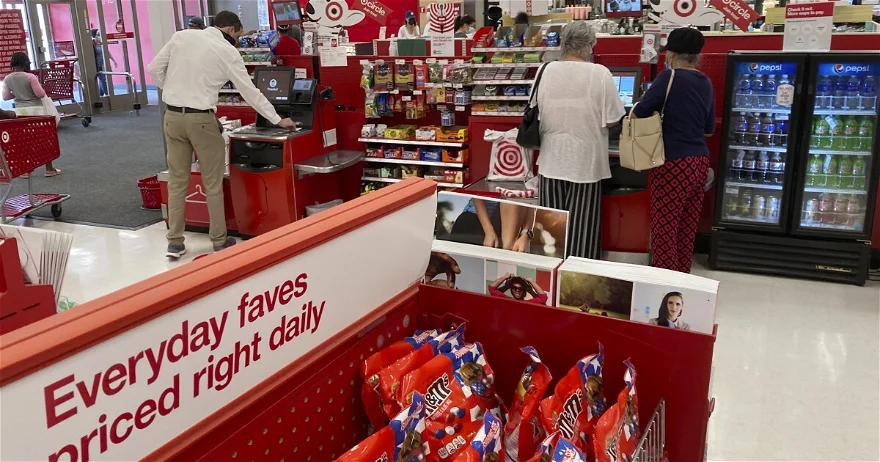
In the United States, the unprecedented high prices and an unending supply chain problem have retailers considering implementing the unthinkable – Instead of returning the items you don’t want, just keep them.
Recently, highly rated store chains like Target, Walmart, Gap, American Eagle Outfitters and others have reported in their latest earnings calls that they have too many inventory of items ranging from workout clothes, spring-time jackets and hoodies to garden furniture and bulky kids’ toys. It costs them tons of money to store them.

Added to that is another category of product that stores have to deal with: returns.
Therefore, instead of stockpiling returned merchandise onto this growing hip of inventory, stores are considering giving customers their money back and letting them hold onto the stuff they don’t want.
While talking about the development, Burt Flickinger, retail expert and managing director of retail consultancy Strategic Resource Group said: “It would be a smart strategic initiative. Retailers are stuck with excess inventory of unprecedented levels. They can’t afford to take back even more of it.”
He said returned products are handled in many ways. Retailers collect merchandise from the customer, evaluate it, and put it back on the shelf at the same or lesser price if it is in good condition.
They can revamp damaged returns and offer them for sale for lesser price or offload them to liquidators for resale. Also, they can sell returned products to foreign liquidators for sale in Europe, Canada or Mexico.
Flickinger said: “Given the situation at the ports and the container shortages, sending product overseas isn’t really an option.”
Lastly, retailers can outsource third-party firms to handle every aspect of merchandise returns for them.
He said each of these options means additional costs for retailers.
He said: “For every dollar in sales, a retailer’s net profit is between a cent to five cents. With returns, for every dollar in returned merchandise, it costs a retailer between 15 cents to 30 cents to handle it.”
Steve Rop, chief operating officer with goTRG, a firm that processes over 100 million returned items annually for companies like Walmart, Amazon and Lowe’s said there is another option for retailers to address returns while avoiding more product issues and that’s considering a ‘returnless return.’
According to Rop, his company’s clients are 100% considering offering the “keep it” option for returns in 2022. However, he wouldn’t say if any of his customers have implemented the “Keep it” returns policy.
In some examples, when they determine it would be less difficult, some retailers advise customers to just hold or donate their return after they are issued a refund. Walmart revealed it had nothing to share at this time and Lowe’s didn’t comment on the development.
He said: “They’re already discounting in stores to clear out products but, when there’s heavy discounting, buyer’s remorse goes up. People are tempted to buy a lot to only return it later.”
Rop said refunding customers and letting them keep their returns at the same time isn’t a new practice. “It started with Amazon several years ago,” he said.

The offer makes sense for lower price-tier bulky products like furniture, kitchen appliances, home decor, baby chairs, walkers, strollers where it’s costlier for the retailer to cover the shipping cost of returning them.
He said: “Other products like kids’ toys, footwear, towels and bedding raise sanitary concerns regarding returns. It could also apply to these categories.”
SUPPORT NIGERIAN CANADIAN NEWS
If you like our work and want to keep enjoying what we offer, kindly support us by donating to the Nigerian Canadian News through the button below.