


















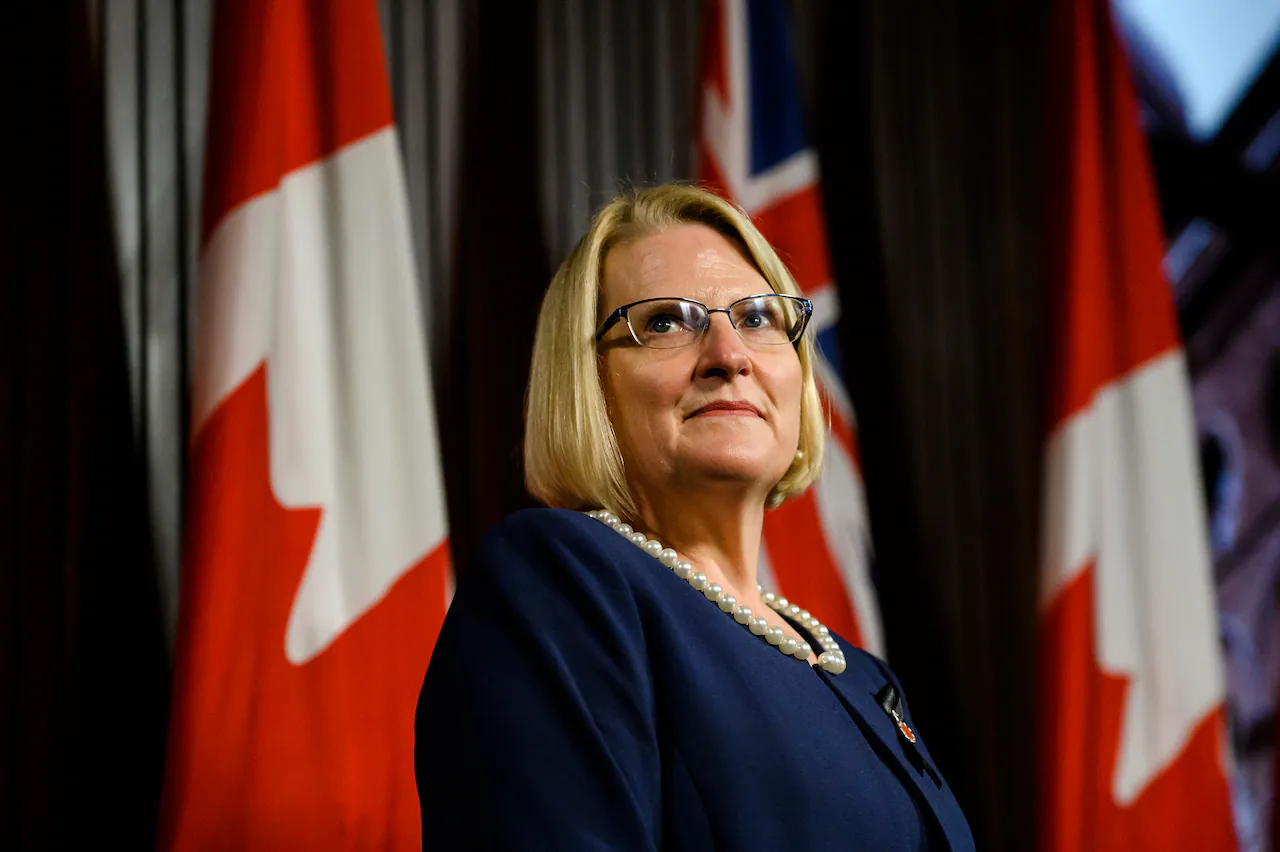
Health Minister Sylvia Jones has averred that a new legislation will protect patients from extra charges. This is even as Ontario proceeds with a controversial plan to move more surgeries and diagnostic procedures out of hospitals and into private clinics.
However, critics are of the strong opinion that medicare safeguards outlined in the Ford government’s Your Health Act 2023 bill — including a mandatory complaints process at clinics — aren’t strong enough to back the promise from Jones that patients will always pay “with their OHIP card, never their credit card.”

Jones said the legislation which is intended to pave the way for the surgical plan first announced in January to ease wait times that soared during the COVID-19 pandemic, contains “significant guardrails,” such as posting fees online for transparency and a complaints system with a “timely response” and the option of escalation to Ontario’s patient ombudsman.
The Minister, who did not detail what she considers a timely response from clinics that could be for-profit or not-for-profit “There’s a couple of things that are embedded in the legislation that I think are important”.
According to her, the plan is centred on cataract surgeries, CT and MRI scans, among other procedures and diagnostics, and would branch out to doing hip and knee replacements at community clinics starting next year.
Reacting to the development, opposition parties said they are doubtful of the assurances from Jones because a 2021 report from provincial auditor general Bonnie Lysyk flagged problems with extra fees and “misleading sales practices” at some eye clinics and found the health ministry did not have a mechanism in place to prevent them.
New Democrat Leader Marit Stiles said there is still no such mechanism in the legislation and patients may be too “intimidated” to complain because they feel vulnerable while receiving medical care.
“The ombudsman is overwhelmed already. It’s not an adequate complaint process at all.”
Reacting, Liberal MPP and emergency room physician Adil Shamji (Don Valley East) also highlighted the auditor’s damning report.
Shamji said “As we all know, people are already paying with credit cards … so why should they (the government) be trusted?”
Meanwhile, a government news release states that no clinic “will be allowed to refuse service to someone because they choose not to purchase upgrades, such as an upgraded cataract lens, and people cannot pay an additional fee to receive services faster than anyone else.”
It was stated that the wide-ranging legislation would also require clinics to describe their links with hospitals and to accept patient referrals from them, connect clinics to wait-time registries, and to use doctors that have privileges to practice at a local hospital to make sure patients are “covered off” if they need more urgent care.
In view of this, the Windsor Surgery Centre, which has taken over cataract surgeries from Windsor Regional Hospital under OHIP, is serving as a model for the plan.
Minister Jones said the bill would also allow the government to designate “one or more expert organizations” to perform official inspections of clinics, but would not name any other than to say they could be existing regulatory bodies for medical professionals.
She added that new clinics would be approved based on local demand and the length of waiting lists for various procedures, such as cataracts, MRIs or knee replacements.

SUPPORT NIGERIAN CANADIAN NEWS
If you like our work and want to keep enjoying what we offer, kindly support us by donating to the Nigerian Canadian News through the button below
Share your thoughts in the comments section below
Do you want to share any news or information with us? If yes, contact the publisher at publisher@test1.nascitest.club