


















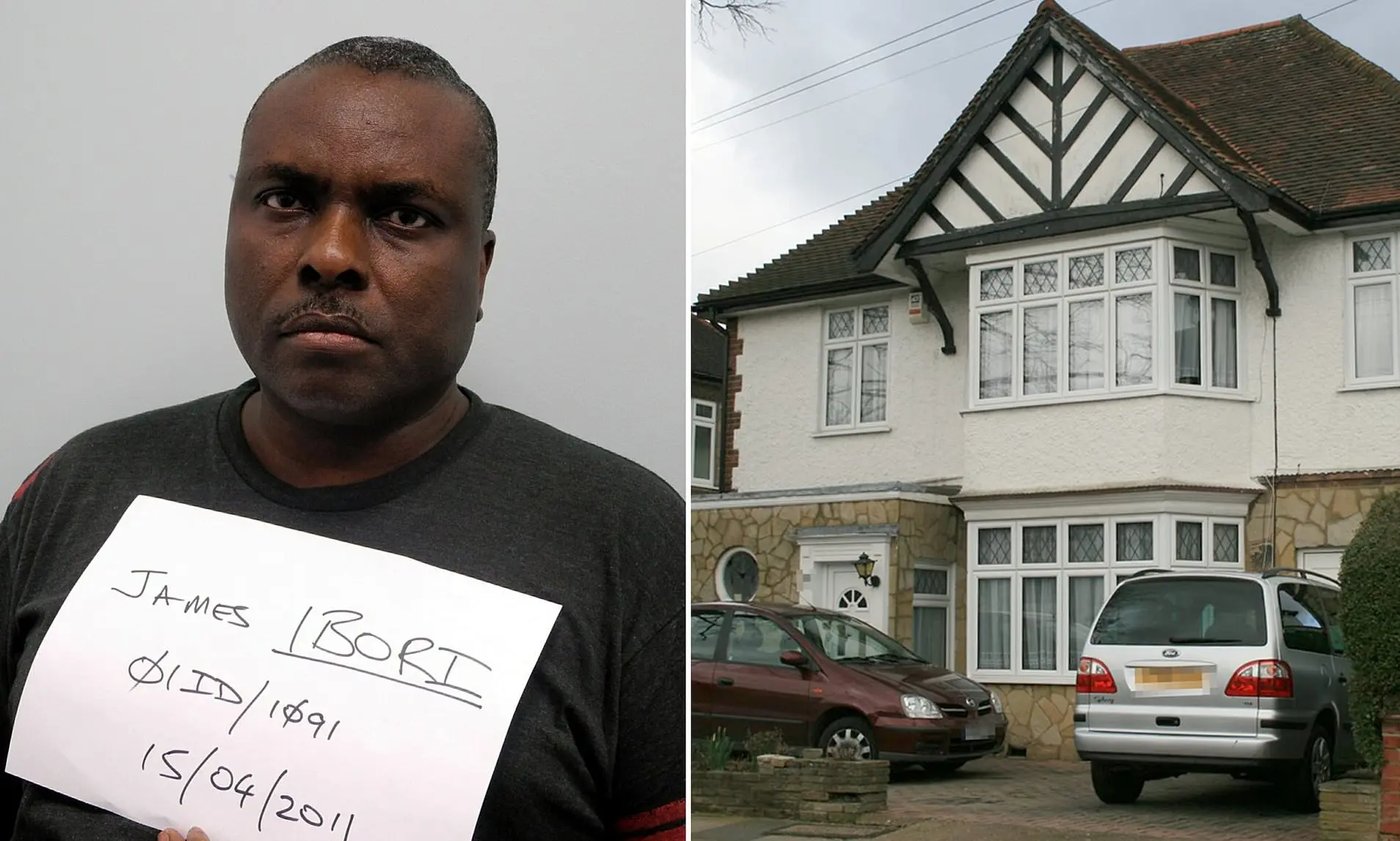
The British authorities have obtained a court order in London to confiscate 101.5 million pounds ($130 million) from James Ibori, a former Nigerian state governor. Ibori was found to have abused his office during his tenure to amass wealth and engaged in money laundering activities both in Britain and other locations. The court order aims to seize the illicit funds accumulated through his corrupt actions.
Ibori, who is in Nigeria, said he would appeal against the confiscation order, one of the largest imposed on an individual in recent British legal history.
“The next steps will be to take my fight for justice to the highest courts in the UK,” he said in a statement.
Ibori was governor of oil-producing Delta State from 1999 to 2007 and was extradited from Dubai to Britain in 2011. He pleaded guilty in 2012 to 10 counts of fraud and money laundering and received a 13-year jail sentence of which he served half, as is standard.
The case involving the confiscation of funds from James Ibori has been widely celebrated as a landmark milestone in the battle against corruption, both in Britain, which is recognized as a global money-laundering hub, and in Nigeria. In Nigeria, the culture of self-enrichment among the ruling elite has been a significant hindrance to the country’s development for many decades.
By successfully seeking to reclaim ill-gotten assets and holding those involved accountable, this case sends a powerful message about the determination to combat corruption and money laundering in both countries. It signifies a step forward in promoting transparency, accountability, and the rule of law, while also providing hope for further progress in the fight against corruption and the advancement of development in Nigeria and beyond.
Judge David Tomlinson, delivering the confiscation order at Southwark Crown Court, said Ibori should pay the sum immediately or face an eight-year jail sentence.
Spokespersons to the Nigerian President, Bola Tinubu, did not immediately respond to requests for comment on whether the Nigerian government would cooperate with the British authorities in enforcing the confiscation order.
Ibori frequently mingles with the ruling elite and has influence on Delta State politics.
It has been 10 years since the confiscation process started after Ibori’s conviction because of lengthy court delays and legal wrangling in London.
“The long and tortuous road to reach this point shows just how tough it is to recover the proceeds of corruption in the UK,” said Helen Taylor, Senior Legal Researcher at campaign group Spotlight on Corruption.
“To ensure justice delayed doesn’t mean justice denied for the Nigerian people, it’s essential that the UK now makes every effort to ensure the speedy return of this stolen loot to benefit the victims of Ibori’s corruption in Delta State,” she said.
In a commitment to Nigeria, Britain has pledged to return any funds recovered from James Ibori. As part of this initiative, in 2021, Britain returned 4.2 million pounds that had been confiscated from Ibori’s ex-wife and his sister. Both individuals had also served jail time for their involvement in aiding him with his corrupt activities. The repatriation of these funds reflects the efforts to restore illicitly acquired assets to their rightful place and foster transparency and cooperation between the two nations.