

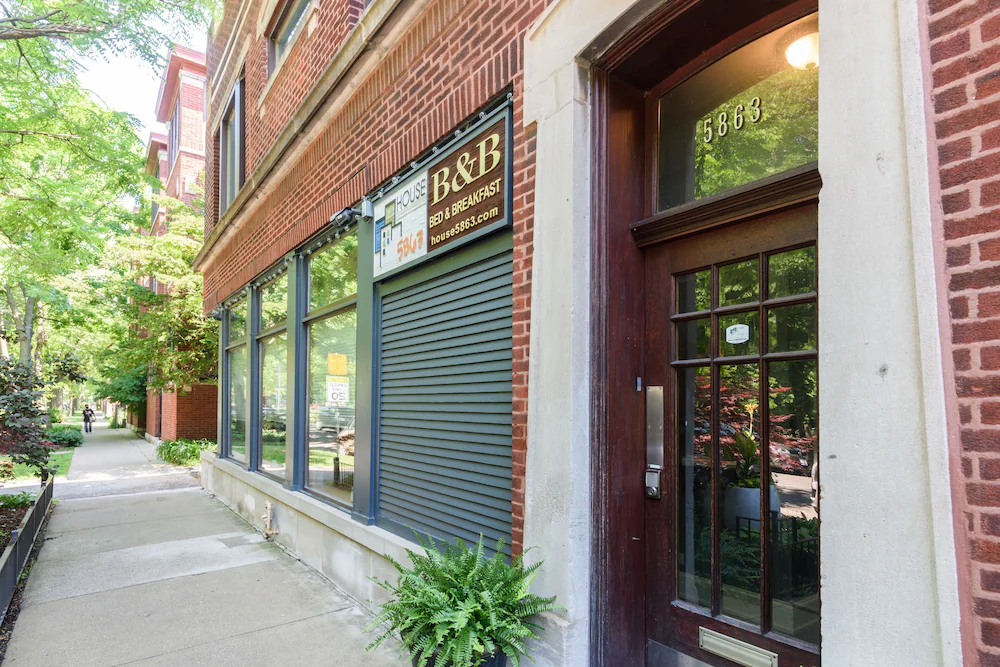
The recently introduced legislation in British Columbia aims to address the pressing issue of the rapidly expanding short-term rental market by redirecting these accommodations back into the hands of residents in need of long-term housing.
British Columbia Premier David Eby stated that the proliferation of short-term rentals has exacerbated the challenges of finding affordable housing, with thousands of long-term residences converted into profit-driven mini-hotels. To tackle this problem, the legislation proposes robust measures to curb such practices and ensure housing availability for local residents.
Short-term rental listings on platforms like Airbnb, VRBO, Expedia, and FlipKey have witnessed a significant surge, a trend further accelerated by the COVID-19 pandemic. The short-term rental market in B.C. has reached an all-time high, diverting a substantial number of long-term rentals into the short-term market. Presently, there are approximately 28,000 daily active short-term rental listings in B.C., marking a 20% increase from the previous year. Data reveals that over 16,000 entire homes are listed as short-term rentals for the majority of the year.

Ravi Kahlon, the Minister of Housing, emphasized that the legislation is designed to target areas with high housing needs and take comprehensive action to address the growing short-term rental challenge. This multifaceted approach aims to provide more homes for residents.
The short-term rental market in B.C. is predominantly controlled by a small segment of profit-driven operators, with the top 10% of hosts earning nearly half of all revenue. About 30 municipalities, including Vancouver, Victoria, and Kelowna, have already introduced short-term rental bylaws and license fees to regulate the market. The proposed legislation builds upon these bylaws, empowering municipalities with enhanced enforcement tools.
e proposed legislation aims to strengthen regulations in the short-term rental market through various measures. These include raising fines for rule violations and mandating platforms to share data for enhanced local enforcement. Furthermore, there is a requirement for short-term rental platforms to share data with the province, supporting local enforcement and tax auditing. The legislation also mandates the inclusion of business license numbers on listings, allowing for the prompt removal of unlicensed listings to ensure local regulation compliance. Additionally, regional districts gain the authority to issue business licenses, enhancing the oversight of short-term rentals in rural areas.
Moreover, the legislation stipulates that short-term rentals in British Columbia should be offered exclusively in the principal residence of the host, with specific exemptions for certain regions. It removes legal non-conforming use protections, preventing investors from exploiting short-term rentals in violation of local regulations. To ensure adherence to these rules, a provincial short-term rental compliance and enforcement unit will be launched.
These updates to short-term rental operations and enforcement are expected to result in the return of thousands of homes to the housing market in the coming years, while also offering flexibility for smaller and tourism-dependent communities to adapt to local housing pressures.
Communities on First Nations reserve land are exempt from the legislation, and Modern Treaty Nations have the option to opt into the legislation. The legislation does not apply to hotels and motels, and additional regulations are being drafted to exempt specific property types, such as timeshares and fishing lodges.
This legislation aligns with the Province’s Homes for People action plan, which focuses on delivering housing to address the housing crisis in British Columbia and create more vibrant communities throughout the province.


