


















Lebanese factions have formed a new government to break a 13-month jinx that made the country slide deeper into financial problems and poverty.
Since the deadly August 4, 2020 explosion at Beirut port, which forced the resignation of then Prime Minister Hassan Diab’s government, the country has been without an empowered government. Opposition political groups had been entangled in disagreement over the make-up of a new government since then, propelling the country’s economic meltdown.

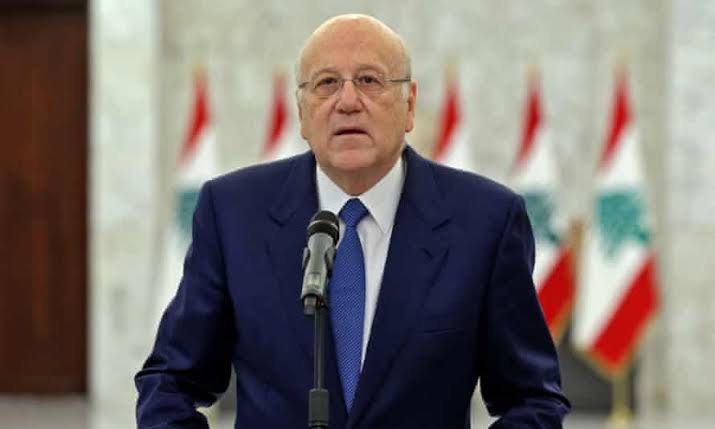
The new Cabinet comprises 24 ministers headed by billionaire businessman Najib Mikati. It was announced by the President’s office, and later by the Secretary-General of the Council of Ministers, Mahmoud Makkieh. Ministers were picked by the same politicians that have ruled the country for over ten years and whose corruption and mismanagement many blame for the current crisis in the country.
Mikati, a business mogul from the northern city of Tripoli and one of the richest men in Lebanon, was saddled with the responsibility of forming a new government in July. He is widely classified as part of the same political class that swung the country into bankruptcy. He served as prime minister in 2005 and between 2011 and 2013.
The announcement of the new government came after recent U.S. and French pressure to form a Cabinet after Lebanon’s economic unravelling got to a critical point with shortages in fuel and medicine threatening to close down hospitals, bakeries and Lebanon’s internet.

Mikati became the favourite person for the post after most of Lebanon’s political parties like the powerful Iran-backed militant Hezbollah group and the other major Shiite party, Amal, led by Parliament Speaker Nabih Berri endorsed him.
Also, Mikati was endorsed by former Sunni prime ministers like former Prime Minister Saad Hariri, who slowed down on efforts to form a government earlier this year after he failed to agree with President Michel Aoun on the Cabinet’s makeup.