


















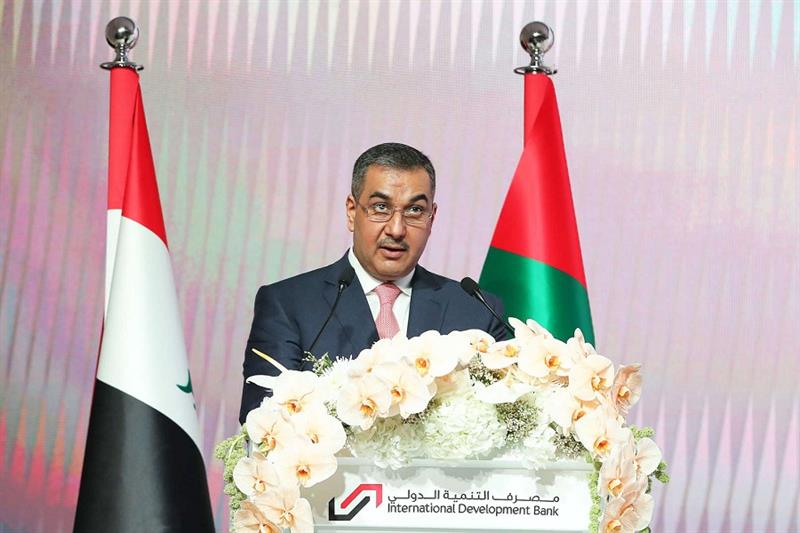
The Prime Minister of Iraq, Mohammed al-Sudani has discharged the nation’s central bank governor amid growing anger over the weakening of the local currency in recent weeks that has caused the price of food and imports to rise.
The PM said he decided to replace the governor, Mustafa Ghaleb Mukheef, who requested to be relieved of the post he has held since 2020.

In a swift move, Mohammed named Muhsen al-Allaq as the new central bank governor. Records have it that Allaq previously served in that role between 2014 and 2020.
According to reports, Iraq’s dinar has dropped sharply against the U.S. dollar in unofficial currency markets since mid-November, raising the cost of living for ordinary Iraqis in the country’s dollar-dependent economy.
Reports have it that a weaker dinar has led to higher prices for imported goods, including staples such as eggs, flour and cooking oil, hurting the ordinary Iraqis whose support the PM has been courting.
Meanwhile, many Iraqis are blaming the U.S. for the dinar’s weakness. It could be recalled that the New York Fed and the Central Bank of Iraq began enforcing tighter controls on international dollar transactions by commercial Iraqi banks in November in a move to curtail money laundering and the illegal siphoning of dollars to Iran and other heavily sanctioned Middle East countries.
According to U.S. and Iraqi officials and official Iraqi government data, since the procedures went into effect, 80% or more of Iraq’s daily dollar wire transfers, which previously totaled over $250 million some days, have been blocked because of insufficient information about the funds’ destinations or other errors.

It is germane to note that Iraqi banks had operated under less stringent rules since shortly after the 2003 U.S. invasion that toppled Saddam Hussein. Years of weak governments and crises—from the insurgency during the U.S. occupation to Islamic State’s takeover of large portions of the country—led successive administrations to put off bringing Iraq’s banking system into compliance with global money-transfer practices until now, officials said.
Prime Minister Sudani, who took office just as the currency began to drop, reportedly told newsmen that he would send a delegation to Washington next month with a proposal to temporarily end the tighter scrutiny of Iraqi transactions.
He also reassured Iraqis that the currency fluctuation was temporary and the exchange-rate should stabilize soon as the government takes steps to safeguard public money and prevent smuggling and money laundering.
SUPPORT NIGERIAN CANADIAN NEWS
If you like our work and want to keep enjoying what we offer, kindly support us by donating to the Nigerian Canadian News through the button below
Share your thoughts in the comments section below
Do you want to share any news or information with us? If yes, contact the publisher at publisher@test1.nascitest.club