


















(NC) After a long winter, most of us look forward to warmer weather so we can spend more time outdoors in parks, lakes, and beaches. But more folks on the water means more frequent boating incidents.
According to the Lifesaving Society, 85 per cent of boating drowning victims werent wearing a floatation device; sadly, most had them on their boat. Fortunately, you can keep yourself safe by picking flotation devices you and your family find comfortable and will wear.
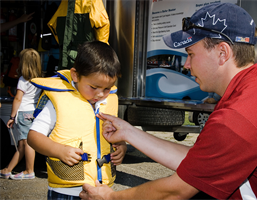
Your first big decision is what type of lifejacket or Personal Floatation Device (PFD) will work best for the activities you plan to do on the water. Today, there more options than ever before with flotation devices designed for specific activities like high-impact watersports, fishing and paddling.

Designed to turn you on your back automatically, lifejackets offer the best flotation and visibility. They only come in red, orange and yellow. Lifejackets are generally designed to be put on in an emergency, as they can restrict your ability to move and might be uncomfortable to wear for extended periods of time.
PFDs are by far the most popular option with recreational boaters as they are affordable and widely available. They come in a wide range of colours and are lighter, less bulky and give you greater range of movement, so you can wear them longer. Although they will keep you afloat, PFDs do not generally turn you face up in the water. If you boat during spring, fall or in cold water (15°C or below), choose a PFD that has good thermal protection, like a floater coater or floater suit.
Inflatable PFDs can offer even more comfort and ease of movement, but they must always be worn when on deck or in an open boat to be considered an approved piece of safety equipment. You also have to be at least 16 years old to use them.
Not all models inflate automatically, and even those that do might inflate too slowly if you need help or are a weak swimmer. Every inflatable PFD has a backup tube to inflate it with your mouth, but if youre struggling to stay afloat using that tube could be a challenge. These devices must also be regularly maintained according to the manufacturers guidelines.
The key is to select a flotation device that you will wear when boating. Selecting the lightest or least bulky device to wear can be tempting, but dont lose sight of what youre buying it for safety. Making a smart choice before you leave the dock might mean the difference between life and death out on the water.
Learn more about safe boating from the Transport Canada Office of Boating website at tc.gc.ca/boatingsafety.