



















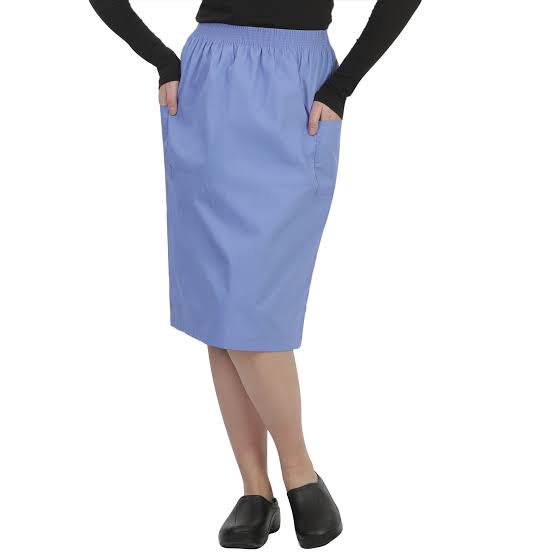
A health care provider based in Tennessee will pay the sum of $75,000 to resolve a religious discrimination lawsuit that involves an Apostolic Pentecostal nurse that wanted to put on a “scrub skirt” to work. The U.S. Equal Employment Opportunity Commission revealed the company denied the right of the nurse to religious accommodation.

Christian nurse Malinda Babineaux was employed by Wellpath LLC in 2019 to offer health services at Central Texas Correctional Facility in San Antonio. After Babineaux accepted the job offer, she informed the company’s human resources team that she was required by her religious beliefs to wear a scrub skirt, instead of the traditional scrub pants, to work in line with modesty codes. The company did not accommodate her request and her job offer was rescinded. According to the lawsuit, Babineaux wore scrub skirts in her previous nursing positions.
Though scrub skirts are rarely seen in American hospitals, they are preferred by some religious women, for modesty reasons. In a post on the nursing forum website allnurses.com in 2010, a woman who introduced herself as “a Pentecostal woman, who wears skirts instead of pants for religious reasons,” asked, “Is it okay for me to wear scrub skirts in a clinical setting?”

In another thread on allnurses.com, a poster criticized scrubs skirts, and said they “limit your range of motion when providing patient care” and that “nurses have not routinely worn skirts since they’ve earned some respect as a profession.”
Recently, a Muslim future medical student asked other Reddit users if it was common to see scrub skirts. She said: “dressing modestly is important to me and don’t want to give it up when there are skirt scrubs available.” Another user answered her by saying: “I’ve seen orthodox Jewish nurses wearing them, nobody bats an eye.”
In September 2010, the EEOC filed a lawsuit on behalf of Babineaux, citing a violation of Title VII of the 1964 Civil Rights Act, which bars religious discrimination. The settlement requires Wellpath LLC to give the nurse $75,000 for back pay and compensatory damages. Also, Wellpath agreed to inform employees of their rights and to organize anti-discrimination training that borders on matters related to religious dress and grooming.
Phillip Moss, trial attorney for the EEOC’s San Antonio field office said: “Under federal law, when a workplace rule conflicts with an employee’s sincerely held religious practice, an employer must attempt to find a workable solution.
“This settlement should underscore the importance of employers taking affirmative steps to comply with their obligations under anti-discrimination laws.”