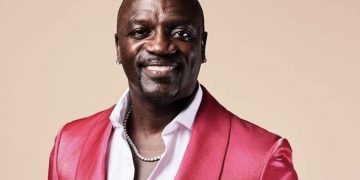



















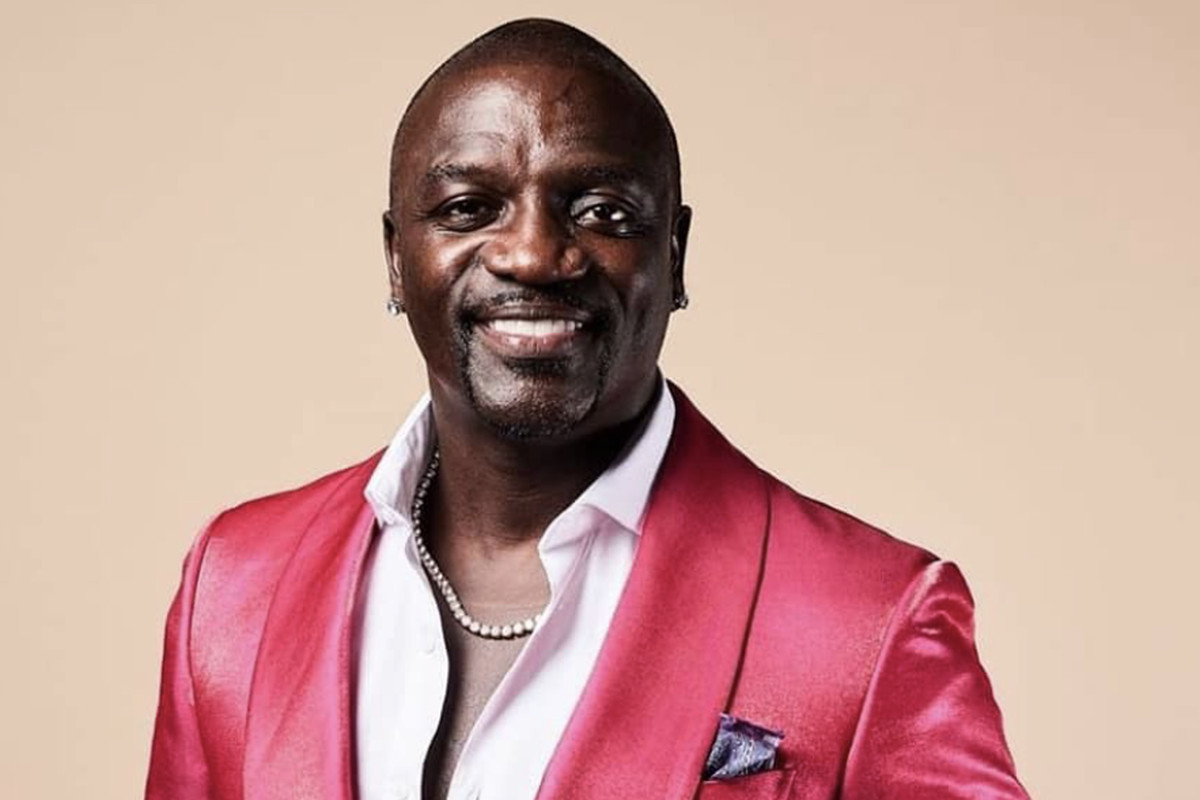
Iconic singer, Akon has cemented and started his ambitious plans to build a “futuristic” city in Senegal that he says will be a real-life version of Wakanda, the hi-tech nation portrayed in Marvel blockbuster “Black Panther.”
The award-winning R&B singer whose real name is Aliaume Damala Badara Akon Thiam, recently laid the first stone for Akon city in Mbodiene park, 100 kilometers from Dakar, the country’s capital city, and said work would begin next year.
In a recent ceremony also attended by Alioune Sarr, Senegal’s minister for tourism, and other government officials, Akon succinctly averred that “We are looking at Akon city to become the beginning of Africa’s future”.
“Our idea is to build a futuristic city that incorporates all the latest technologies, cryptocurrencies, and also the future of how African society should become in the future.”
The solar-powered city will have healthcare facilities, offices, luxury houses, shopping malls, skyscrapers, and eco-friendly tourist centers. It will be a five-minute drive from the country’s new international airport, according to its official website.
The Nigerian Canadian Newspaper gathered that the singer was gifted 2,000 acres of land by Senegalese President Macky Sall to build the ambitious city. The singer noted that he has raised part of the $6 billion required to do so through unnamed investors.
It would be recalled that the singer first announced his idea for the idealistic city back in 2018 where he compared it to the fictional technologically advanced nation of Wakanda portrayed in “Black Panther.”
According to reports, the plan is for Akon city to trade exclusively in its own digital cash currency (cryptocurrency) called Akoin.
Unlike other cryptocurrencies tied to stable currencies, Akoin is tied to cellphone minutes and relies on the use of smartphones.
The award-winning singer had noted that more people in Africa trust their cellphone companies more than they trust local currency.
Akon, had in November 2019, stated that cryptocurrency will allow Africans to become less dependent on their governments. In his remarks, he argued that Akoin will enable people to have control of their own currency and by extension make financial decisions without external interference from their countries.
He said “We want to be able to kill corruption through blockchain itself and I think starting with currency, it is the biggest thing. The main thing they (Africans) will be able to gain is independence and I think being in the position to make your own financial decisions is key”.
Meanwhile, Akoin has faced criticism and questions around how it will work in low income countries with little access to smartphones or data.
According to a 2018 report by the Pew Research Center, Only one-third of Senegal’s 16.2 million population have access to a smartphone.
In a statement on its official website, Akon stated that the city would create job opportunities for Senegalese people and serve as an alternative destination African Americans facing discrimination in the United States.
He said “I wanted to build a city or a project like this that would give them (African Americans) the motivation to know that there is a home back home… The system back home (in the US) treats them unfairly in so many different ways that you can never imagine and they only go through it because they feel like there is no other way”.
The singer — who spent his early childhood in Senegal before leaving for New Jersey at the age of seven, added that his hope is for Senegal to be the go-to tourist destination in Africa as a result of Akon city.
“As you are coming from America or Europe, anywhere in the diaspora and you feel that you want to visit Africa, we want Senegal to be your first stop,” he says.
Speaking on the development, Alioune Sarr, the Senegalese tourism minister, cheered Akon’s decision to invest in the country at this time when the Covid-19 pandemic has affected the nation’s economy.
Sarr said “At a time, in a context where national and international private investment is rare. Akon, you have chosen to come to Senegal and invest $6 billion in the coming years”.