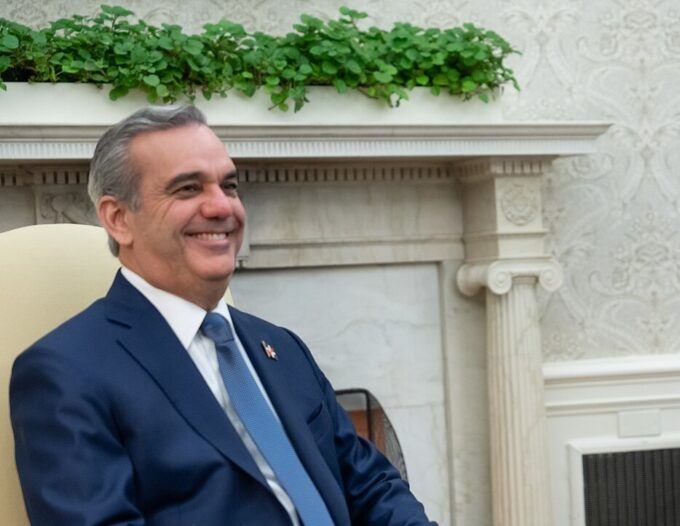
In a recent press conference at the National Palace in Santo Domingo, Dominican President Luis Abinader announced the closure and militarization of the border with Haiti in response to the construction of the Pittobert irrigation canal on the binational Dajabón River, also known as the Massacre River. The decision, part of a series of retaliatory measures, has escalated the longstanding tensions between the two nations.
The Dominican government alleges that the canal’s construction, attributed to various entities, violates the 1929 Treaty of Peace, Friendship, and Arbitration between the two countries. The treaty grants both states the right to use the river for land irrigation and other purposes. The Dominican government’s handling of the dispute has not only raised concerns about Haiti’s sovereignty but has also spurred a passionate response from Haitians rallying in support of the canal’s construction.
Evidence suggests that the canal project has been in the works for over a decade, with the knowledge of the Dominican State. A 2021 study by the Dominican National Institute of Hydraulic Resources acknowledged the canal’s planned flow, emphasizing that it would be below extractions made on the Dominican side. Despite technical evaluations suggesting no diversion of the river channel, the Dominican government imposed sanctions and militarized the border, sparking widespread support for the canal, including financial campaigns from the Haitian diaspora.
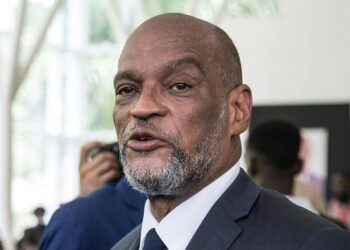
Efforts to halt the canal’s construction, including the closure of the border and sanctions against individuals supporting the project, have not yielded the intended results for the Dominican government. Instead, Haiti has witnessed a surge in volunteers defending and completing the canal, leading to heightened protests against the de facto government of Ariel Henry.
Amid the nationalist fervor, both Jesuit priests on the Dominican border and Dominican social organizations advocate for fair waterway use by both nations. They also denounce plans for mining exploitation in the Dajabón province, warning of potential environmental repercussions.
The dispute reflects a complex web of issues, including hydro-hegemony, immigrant expulsion, and interventionism. The defense of the canal is viewed by many in Haiti as a crucial element in overcoming a food security crisis exacerbated by the border closure. In the Dominican Republic, critics accuse the government of electoral calculations.
The Dominican government’s attempt to link the canal conflict with its support for the military occupation of Haiti has sparked further controversy. While the OAS calls for a negotiated solution, the Dominican Foreign Ministry asserts that the river is part of Dominican territory, conditioning dialogue on the Haitian State’s effective control of its territory.
President Abinader’s recent speech at the UN underscored environmental disparities between the two nations, perpetuating stereotypes about Haitians as agents of environmental depredation.
However, scientific data challenges these stereotypes, emphasizing the need for cooperation between both countries to address shared vulnerabilities to climate change.
Despite weeks of sanctions and border closures, the canal’s construction continues, and discontent grows among Dominican border communities over the economic costs of disrupted trade. The Dominican government’s proposed solutions, including increased border militarization and immigration closure, face obstacles, including opposition from Haitian buyers and a recent fire at the binational market of Dajabón.
As tensions persist, the Massacre River, named for historical conflicts, once again becomes the focal point of a contemporary struggle, highlighting the urgent need for collaborative environmental conservation and diplomatic solutions between the neighboring nations.
SUPPORT NIGERIAN CANADIAN NEWS
If you like our work and want to keep enjoying what we offer, kindly support us by donating to the Nigerian Canadian News through the button below
Share your thoughts in the comments section below
Do you want to share any news or information with us? If yes, contact the publisher at publisher@test1.nascitest.club